Source Window Art Kit for DIY Crafts, Education, and Decor
Source window art kit options from verified manufacturers in China. Compare 30 products featuring plastic materials, custom logos, and varied age ranges. Evaluate specifications like package size and delivery times to find the right supply for your needs; compare the available evidence and request quotations based on your requirements.
Key considerations
Products List
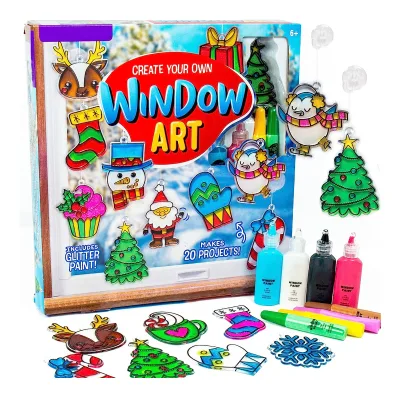
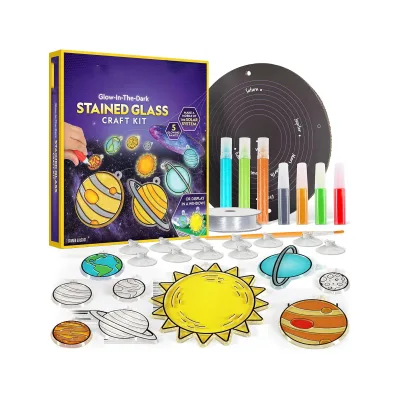
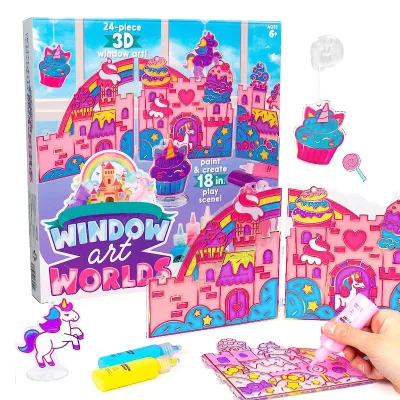
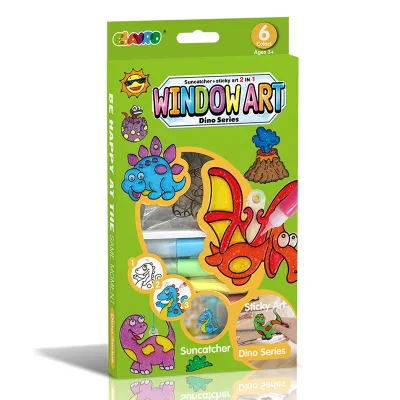


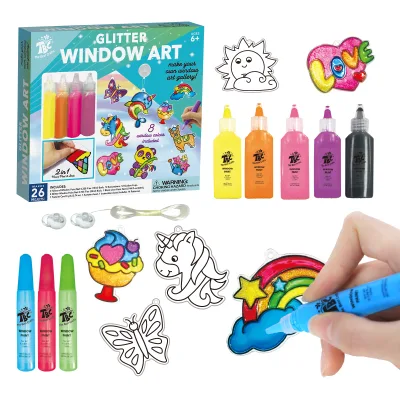
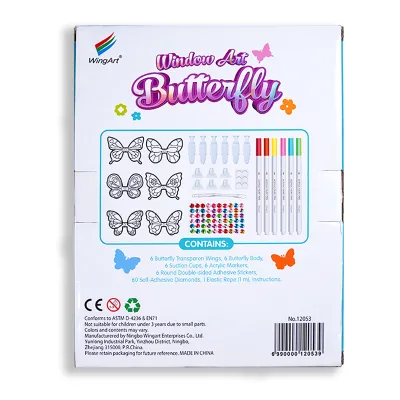
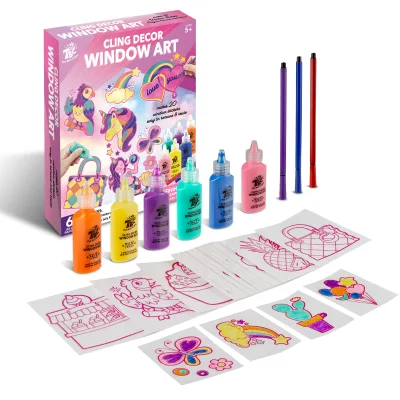

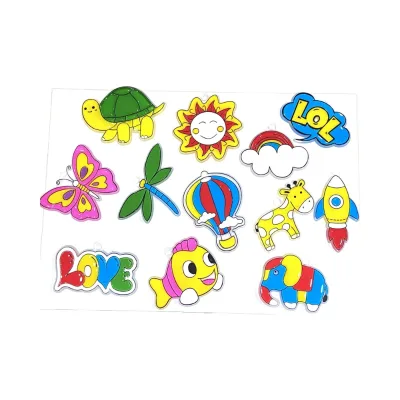


Comprehensive Sourcing Guide
Window Art Kit Sourcing Guide
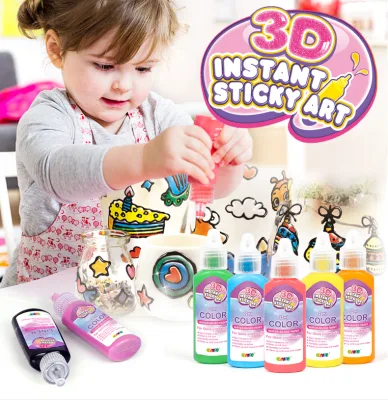
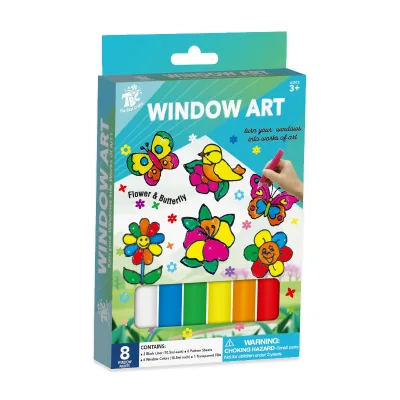
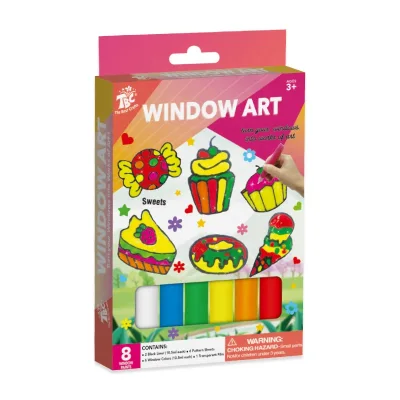
Procurement of window art kits requires careful evaluation of the specific artistic medium and target demographic, as observed listings indicate a diverse range of products from DIY painting sets to instant sticky art. Buyers must distinguish between kits designed for younger children, such as those marked for ages 3 and up, and those targeting older demographics with age ranges extending to 14 years and above. The material composition is predominantly plastic, which influences both the durability of the tools and the safety protocols required for handling.
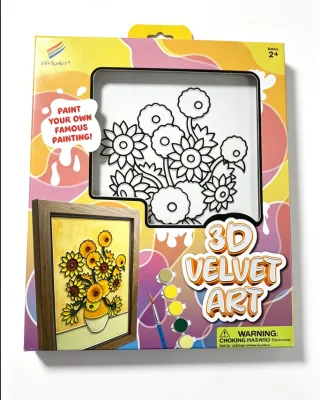
Sourcing decisions should also account for the functional variations observed in the market, including sets focused on nature exploration versus those emphasizing DIY cardboard painting. The packaging formats vary significantly, ranging from standard color boxes to customized packaging solutions, which directly impacts logistics costs and retail presentation. Understanding these functional and packaging distinctions is essential before engaging with suppliers to ensure the selected product aligns with the intended market segment and usage requirements.
Product Scope and Observed Listing Signals
The observed product scope reveals a clear segmentation based on model numbers and specific product names, such as the Christmas collection window art paint and the 2020 educational DIY toys. These listings demonstrate that suppliers often offer distinct SKUs tailored to seasonal themes or specific educational goals, requiring buyers to verify the exact model number against their inventory needs. The presence of multiple model identifiers suggests a need for precise specification matching to avoid receiving incorrect variants during bulk orders.
Listing signals also highlight significant variability in physical dimensions and weight, with single package sizes ranging from compact 23x14x3 cm units to larger 35x35x10 cm boxes. This variation affects shipping calculations and warehouse storage planning, as the single gross weight can differ from 1.000 kg to 3.000 kg depending on the specific kit configuration. Buyers must cross-reference the listed dimensions with their logistical constraints to ensure the selected products fit within their distribution network without incurring unexpected freight surcharges.
Technical Specifications to Verify
Technical verification must begin with the precise model number and size specifications, as observed data shows models like JLT-T0019 and JLT-T0120 have distinct physical attributes that cannot be interchanged. The size of the finished product, often listed as 31x30x3 cm, must be confirmed against the single package size to understand the true volume of the shipment. Misalignment between the product dimensions and the packaging dimensions can lead to inefficient palletization and increased shipping costs, making this a critical verification step.
Buyers should also scrutinize the age range and functional claims to ensure the product matches the intended user group, as listings specify ages from 3 years up to 14 years and older. The material composition, consistently noted as plastic, requires confirmation regarding the specific type of plastic used to ensure it meets durability and safety expectations for the target age group. Additionally, the style of the kit, whether described as a drawing toy set or a DIY painting set, must be validated to guarantee the contents align with the educational or recreational goals of the purchase.
Compliance and Safety Documentation
Safety documentation is paramount when sourcing toys intended for children, particularly given the observed age ranges starting from 3 years old and extending to teenagers. Buyers must request proof of compliance with relevant safety standards for plastic toys, ensuring that all components, including paints and adhesives, are non-toxic and free from hazardous materials. The absence of specific certification names in the provided data necessitates a proactive request for test reports from accredited laboratories to verify that the products meet the safety regulations of the destination market.
Furthermore, the branding and customization options, such as the acceptance of customized logos, introduce additional compliance considerations regarding intellectual property and labeling regulations. Suppliers offering OEM services must demonstrate their ability to apply branding correctly without compromising the safety integrity of the product or its packaging. Buyers should verify that the supplier has a robust quality management system in place to maintain consistency in safety standards across all customized orders, ensuring that every unit meets the required regulatory thresholds.
Cost Drivers and Commercial Terms
Commercial terms are heavily influenced by the observed Minimum Order Quantity (MOQ) ranges, which vary significantly from 3000 sets to 5000 sets depending on the specific product model. This variation creates a barrier to entry for smaller buyers and requires careful financial planning to ensure the order volume justifies the investment. Buyers must negotiate based on the specific MOQ of the chosen model, as failing to meet these thresholds may result in higher unit costs or the inability to secure the product at all.
Lead times and sample availability also play a critical role in the total cost of ownership, with observed sample times ranging from 3 to 7 days and delivery times extending up to 35 days. These timelines impact inventory planning and cash flow, as delays in sample approval or production can disrupt the supply chain. Buyers should factor in the potential for extended lead times when setting their procurement schedules and ensure that the supplier can commit to the stated delivery windows to avoid costly stockouts or expedited shipping fees.
Supplier Qualification and Quality Control
Supplier qualification should focus on the place of origin and the specific capabilities indicated by the product attributes, such as the ability to provide customized packaging and logos. The observed data lists origins in both Zhejiang and Guangdong, China, regions known for manufacturing but requiring verification of the specific factory's capacity and quality control processes. Buyers must assess whether the supplier has the infrastructure to handle large-scale production runs while maintaining the consistency required for branded products.
Quality control measures must be explicitly defined before production begins, particularly regarding the consistency of the plastic materials and the accuracy of the printed designs. Given the variation in single gross weights and package sizes, suppliers should provide detailed inspection reports to confirm that the final products match the agreed-upon specifications. Establishing a clear protocol for pre-shipment inspections is essential to mitigate the risk of receiving substandard goods, ensuring that the final product meets the functional and aesthetic expectations of the end consumer.
Long-Term Procurement Checks
Long-term procurement success depends on establishing a reliable relationship with suppliers who can consistently meet the varying MOQ and lead time requirements observed in the market. Buyers should conduct periodic audits to ensure that the supplier maintains the same quality standards and production capacity over time, especially when scaling up orders or introducing new product variations. Continuous monitoring of the supplier's performance against the agreed-upon delivery times and quality benchmarks is necessary to prevent disruptions in the supply chain.
Additionally, buyers must stay informed about changes in product specifications, such as updates to model numbers or changes in material composition, which could affect compliance and safety. Regular communication with the supplier regarding any potential shifts in production capabilities or regulatory requirements is vital for maintaining a resilient supply chain. By proactively managing these long-term checks, buyers can ensure a steady flow of high-quality window art kits that meet the evolving needs of their customers and market demands.
FAQs
What is the typical sample time for window art kits?
The typical sample time is 3 to 7 days. This duration allows suppliers to prepare and ship prototypes for quality verification. Buyers should account for this lead time when planning production schedules. Some vendors may offer faster options within 3 to 5 working days depending on stock availability and specific customization requirements.
What is the minimum order quantity for these products?
The minimum order quantity varies by supplier, typically ranging from 1 to 5000 sets. Common MOQs observed are 3000 sets or 5000 sets. Buyers must confirm the specific MOQ with the manufacturer before placing orders. Higher volumes may unlock better pricing tiers or reduced per-unit costs for large-scale procurement needs.
Where are window art kits usually manufactured?
These products are primarily manufactured in China, specifically in Zhejiang and Guangdong provinces. Buyers can source from factories in these regions to leverage established supply chains. Origin verification is essential for logistics planning. Sourcing from these locations often ensures competitive pricing and reliable production capacity for global distribution networks.
Can buyers customize the logo on window art kits?
Yes, most suppliers accept customized logos for branding purposes. This service allows businesses to create unique products for their target markets. Buyers should provide high-resolution artwork files for accurate printing. Customization may affect the sample time and minimum order quantity, so early discussion with the manufacturer is recommended.
What is the delivery time for bulk orders?
The standard delivery time is within 30 to 35 days after order confirmation. This period covers production, quality control, and shipping preparation. Buyers should factor in this lead time for inventory management. Expedited shipping options may be available for urgent orders, though they typically incur additional costs and require prior arrangement with the supplier.
What materials are used in window art kits?
Window art kits are commonly made from plastic and cardboard materials. These materials ensure durability and ease of use for DIY painting activities. The product design often includes multi-colored components for creative expression. Buyers should verify material safety standards to ensure compliance with international regulations for children's toys and art supplies.